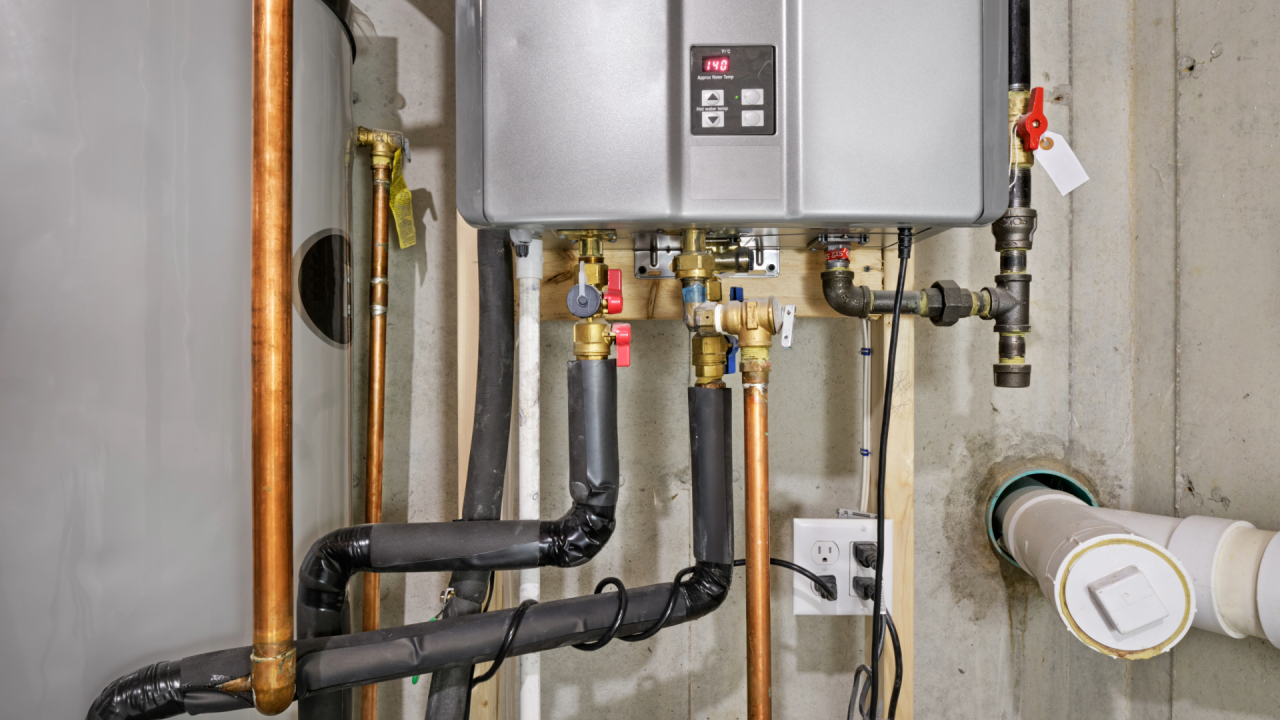
Did you know that in many U.S. homes, tankless (on-demand) water heaters can be 24%–34% more energy-efficient than traditional tank-style heaters? That’s not just numbers, it’s a big deal for reducing both your electricity or gas usage and your carbon footprint.
In this post, we’ll explore why tankless water heaters are becoming a favorite among eco-conscious homeowners. We’ll break down how they save energy, reduce emissions, conserve water, and even contribute to a more sustainable living space, all without diving into promotion for any one plumbing company.
Why Tankless Water Heaters Are a Green Win
1. Energy Is Used Only When Needed
The core of a tankless water heater’s eco advantage is on-demand heating. Unlike tank heaters that constantly maintain water temperature (even when you’re not using hot water), tankless models only fire up when water flows. This eliminates much of the “standby heat loss” typical of storage tanks.
- For homes with moderate hot water use (around 41 gallons per day), this efficiency gain is highest—hence the 24–34 % figure.
- Even in high-demand homes, gains are still meaningful (often 8–14 % more efficient for large users).
2. Lower Greenhouse Gas Emissions
Because they consume less energy overall, tankless units help reduce carbon emissions:
- EnergyStar-certified gas tankless heaters can prevent significant CO₂ emissions over time.
- By avoiding unnecessary heating, fewer fossil fuels are burned, making tankless systems a greener long-term choice.
3. Longer Lifespan = Less Waste
Tankless water heaters tend to last significantly longer than traditional tank heaters:
- Many units last 20 years or more, compared to 10–15 years for conventional tanks.
- That means fewer replacements, less waste, and lower environmental impact from manufacturing and disposal.
4. Reduced Water Waste
Tankless units can also help conserve water, especially when combined with smart installation or usage habits:
- Because hot water is generated on-demand, there’s less waiting (and less wasted water) as you wait for the tank to reheat or refill.
- Some setups place point-of-use tankless units near taps or fixtures, minimizing the time (and water) you run while waiting for hot water to arrive.
5. Space-Efficient Design
Tankless water heaters are compact. Instead of a bulky 40–60 gallon tank taking up a closet or utility room, a tankless unit can mount on a wall and free up valuable space. Less material used in manufacture + smaller footprint = another win for sustainability.
6. Cleaner, Safer Water
Without a standing tank full of water, there is:
- Less opportunity for sediment build-up, rust, or stale water.
- Lower risk of leaks or flooding (no large tank to rupture).
- More precise temperature control, which can enhance safety and reduce scald risk.
7. Potential for Rebates and Incentives
Many eco-focused water heaters (especially EnergyStar-certified tankless models) qualify for tax credits, rebates, or other financial incentives. These make the switch more accessible and add to the long-term environmental benefits.
Practical Considerations & Sustainability Trade-offs
To be fair, “eco-friendly” doesn’t just mean energy-efficient. There are some trade-offs or challenges to consider:
- Upfront cost: Tankless water heaters generally cost more to buy and install than traditional tanks.
- Maintenance: To maintain efficiency, descaling (especially in areas with hard water) is important.
- Flow limitations: If demand is very high (e.g., simultaneous showers), a single tankless unit may struggle without sizing or setup appropriately.
But even with those trade-offs, the long-term savings (both environmental and financial) often outweigh the costs.
How This Trend Reflects Broader Environmental Goals
Switching to tankless heaters aligns well with growing sustainability trends:
- As households and businesses aim to reduce carbon footprints, water heating (which is a major energy load) is a logical target.
- More efficient appliances help lower peak energy demand.
- The longer lifespan reduces manufacturing and disposal cycles, supporting a more circular economy.
Final Thoughts
In a world increasingly conscious of energy waste and environmental impact, tankless water heaters stand out as a smart, eco-friendly upgrade. By heating water on demand, cutting down on standby losses, and lasting longer, they offer both green credentials and practical value.
If you’re exploring a more sustainable home, upgrading your water heater is one of the most effective steps you can take. A tankless system may have a higher upfront cost—but over time, it pays back in energy savings, lower emissions, and less waste.